When it comes to precision electronics work—whether you're soldering micro-components onto a circuit board, assembling complex PCBs, or using a hot air rework station to replace tiny surface-mount parts—every technician, engineer, or DIY hobbyist knows that having an extra pair of steady hands is indispensable. More than that, a clear view and ample lighting are vital for success. Enter the “Triple Threat” Magnetic Helping Hands, a modern marvel that combines powerful magnification, bright illumination, and 360-degree articulation. These features make it the ultimate third hand for intricate jobs, maximizing accuracy, efficiency, and safety.
## The Evolution of Helping Hands for Electronics
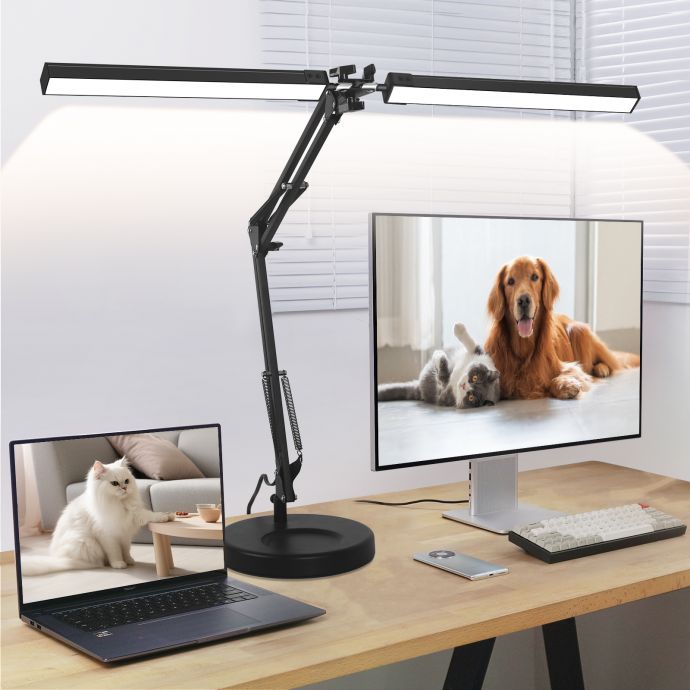
For decades, basic helping hands with crocodile clips and a magnifying glass have aided tinkerers and professionals alike. While these traditional tools provided some support, their limitations became apparent with the rise of more complex, miniaturized components. As circuit boards shrank and the density of connections increased, the need for more flexible, stable, and versatile solutions grew apparent. The latest generation of helping hands, equipped with magnetic bases, powerful magnifiers, integrated LEDs, and fully articulating arms, represent a significant leap forward.
## Modular Stability: The Power of Magnetic Bases
One of the most crucial innovations is the adoption of a heavy, magnetized base. Unlike lightweight platforms that tip over or slide about, the magnetic base sticks securely to metal work surfaces, offering robust stability even when manipulating heavier boards or applying substantial force. Many models use a cast iron base layered with a high-strength magnet, ensuring your setup stays put regardless of the wires, boards, or tools at play.
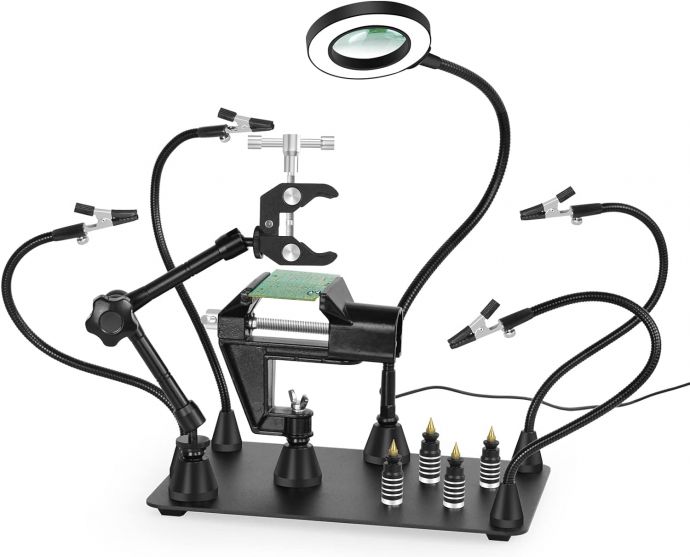
Additionally, the modular design typically features multiple screw-in magnetic arms. Each arm is equipped with rotatable alligator clips, allowing you to firmly secure your PCB, wires, or other objects without fear of damaging delicate pads or traces. The magnetic connectivity means you can detach, reposition, or add extra arms as your project demands, transforming one tool into an adaptable workspace.
## Crystal-Clear Vision: Built-In Magnification
Working on miniature electronic components requires not only a steady grip, but a clear, distortion-free view. For this reason, a precision helping hand setup boasts a built-in magnifying lens, often ranging from 2x to 8x magnification. Modern iterations are manufactured with optical-grade acrylic or glass to ensure crisp, undistorted viewing. Some models even feature interchangeable lenses or adjustable focus to fine-tune your view for any job at hand.
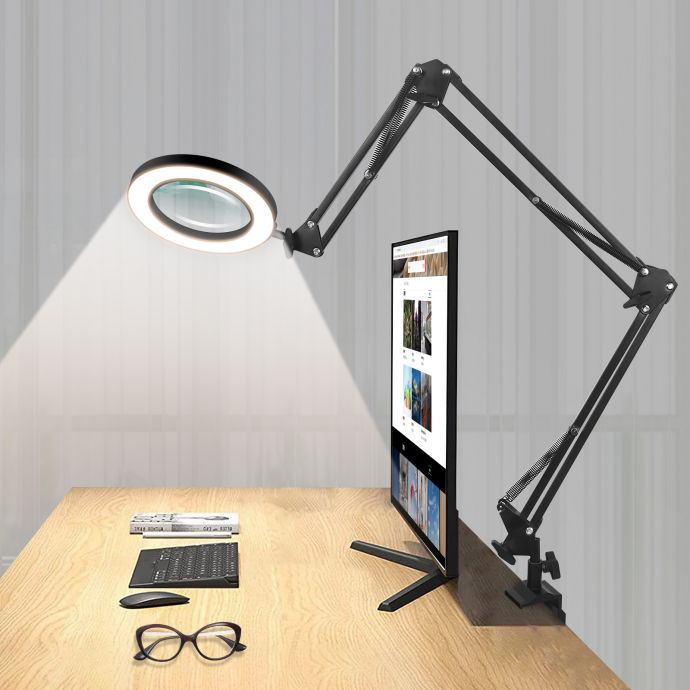
Magnification allows you to inspect solder joints for cracks or cold spots, identify polarity marks on tiny SMD components, and thread minuscule wires with ease. With an overhead lens, both of your hands are free to manipulate tools, hold solder, or guide a nozzle—multiplying your efficiency and minimizing fatigue.
## Lighting the Way: Integrated LED Illumination
Poor lighting is a common culprit behind soldering errors, misalignment, and eye strain. The best magnetic helping hands come outfitted with an array of super-bright LEDs, often arranged in a ring around the magnifier for shadow-free, even illumination. Many feature dimmable controls or color temperature adjustments to suit different workbench environments.
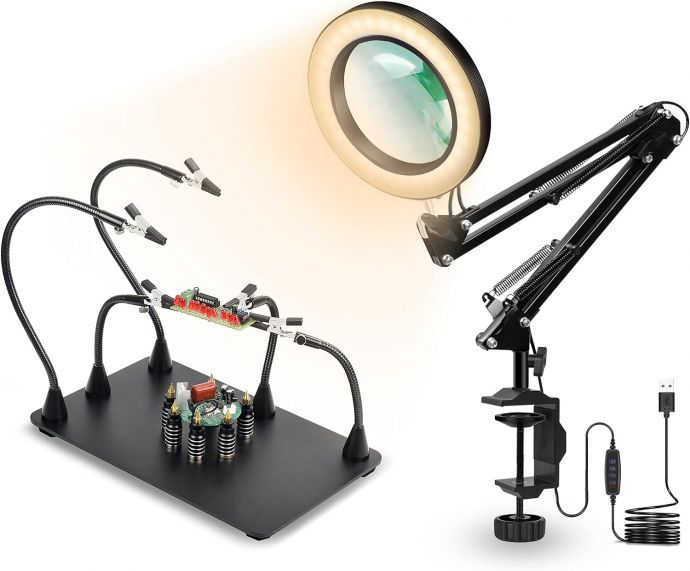
LEDs generate minimal heat, so they won’t risk overheating sensitive components. Powered by a USB cable or rechargeable battery, they consume little energy while providing hours of consistent, flicker-free brightness, ensuring you never lose sight of fragile connections even during extended work sessions.
## 360° Rotation: Ultimate Articulation for Any Angle
Traditional helping hands are often clunky, offering limited adjustment and requiring awkward workarounds to position your project just so. In contrast, premium magnetic helping hands are built upon fully flexible gooseneck arms or ball-and-socket joints, enabling precise, one-handed adjustment in all spatial dimensions.
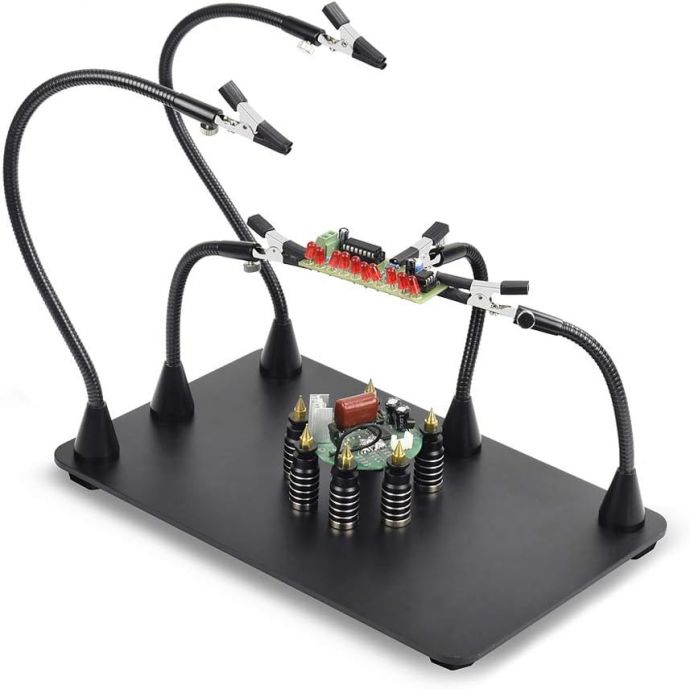
Each alligator clip or magnifier can be rotated a full 360 degrees, pivoted, raised, or lowered, letting you access any point on a PCB without removing or rerigging your grip. Whether inspecting the underside of a board, desoldering a cramped corner, or aligning parts for hot air rework, this infinite adjustability translates to unmatched convenience. Lock knobs and tension controls ensure that once secured, the setup remains rock steady.
## Why “Triple Threat”? A Unified Toolkit
So, what makes this tool the “Triple Threat”? It’s the integration of three indispensable functions: stable holding power, powerful magnification, and superior lighting—augmented by the bonus of total articulation. With these capabilities, tasks that would otherwise require multiple tools, countless hours, and excessive strain are condensed into a seamless, ergonomic workflow.
### 1. Stable, Hands-Free Work
Having your project held tightly in place means your hands are free to focus on technique rather than struggling with position or stability. Whether holding a PCB edge-on for through-hole soldering, securing an SMD module during rework, or supporting wires during complex splicing, the modular arm system adapts to nearly any scenario.
### 2. Enhanced Visual Clarity
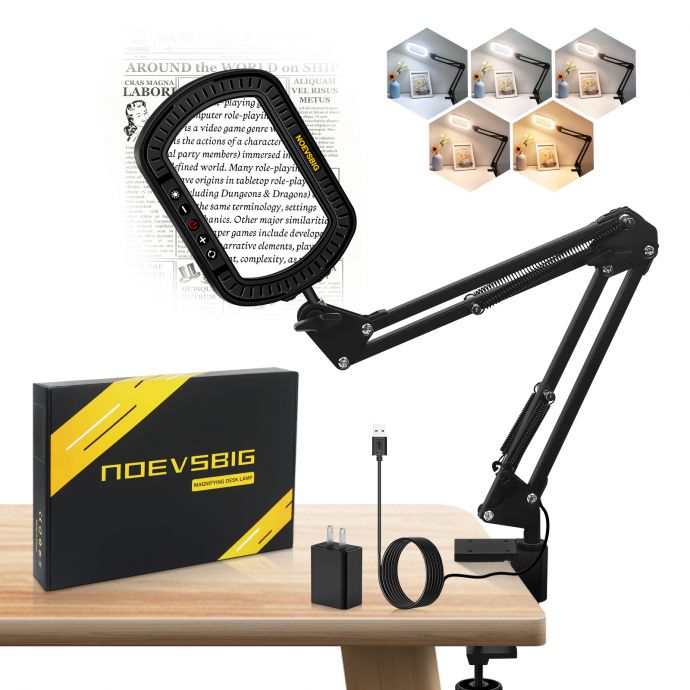
The magnifier and high-output light bring the tiniest pad, joint, or trace into sharp relief. This is especially critical for hot air rework, where identifying precise locations is key to directing airflow and heat where needed, while sparing surrounding components.
### 3. Total Accessibility
Rotating, lifting, twisting, and angling your workpiece has never been easier. Rather than contorting your body, you simply adjust the tool, maintaining ergonomic comfort and reducing risk of repetitive strain injuries.
## Applications Across Soldering, Assembly, and Rework
The advantages of a triple threat helping hand are most apparent in three core domains: precision soldering, PCB assembly, and hot air rework.
### Precision Soldering
When soldering 0402 resistors, micro USB ports, or other fine-pitch components, every movement must be deliberate and efficient. The helping hand holds your board steady as you align the iron, feed solder, and inspect joints—all under perfect light and magnification. Mistakes such as bridging, cold joins, or component misalignment are dramatically reduced.
### PCB Assembly
For both prototype and production runs, aligning multiple components, tightening screws, and routing wires requires not only dexterity but visibility. By adjusting your third hand to different heights and angles, you can sequentially load parts, check clearances, and secure fasteners without touching the board. This is especially beneficial when working with double-sided assemblies.
### Hot Air Rework
Desoldering ICs or installing new SMD components with a hot air station is stressful without stable support. The magnetic arms ensure your target is locked in place, while the magnifier and LED allow you to see solder balls reflow and spot any defects or misalignment in real time. This increases yield and reduces the chance of heat damage—critical when dealing with expensive or rare components.
## Additional Benefits: Use Cases Beyond Electronics
While engineered for electronics, a magnetic helping hand proves valuable in other precision crafts. Model makers use them to paint, glue, or modify small assemblies. Jewelers rely on them for holding rings or chains while performing intricate work. Artists and medical professionals find value in their third hand when working with delicate samples, anatomical models, or restoration projects.
## Choosing the Right Model: Key Features to Consider
With many models on the market, selecting the right triple threat helping hand means looking at a few essential details:
- **Base Weight & Magnet Strength:** Heavier bases with stronger magnets prevent accidental tipping, especially when working with bulky or odd-shaped projects.
- **Number of Arms:** More arms offer greater versatility, letting you support large boards, multiple wires, or tools.
- **Clip Quality:** Alligator clips should be coated or padded to prevent scratching PCB traces or crushing soft wires.
- **Magnifier Specs:** Look for a distortion-free, optically clear lens with a suitable magnification for your needs.
- **LED Features:** Dimmable, high-CRI LEDs with adjustable color temperature are ideal for long work sessions and accurate color rendering.
- **Adjustment Mechanisms:** Smooth, robust articulation points that hold their position under load are critical for reliability.
- **Power Source:** USB-powered LEDs are more convenient than those requiring batteries.
## Tips for Maximizing Your Triple Threat Helping Hand
- **Pre-plan your setup:** Before starting a project, position and secure your board and tools to minimize mid-project adjustments.
- **Regular cleaning:** Dust and flux can obscure the magnifier or reduce friction in the joints; wipe down surfaces for a clear, consistent workspace.
- **Use additional bases:** For very large or heavy boards, multiple magnetic bases can add stability and support.
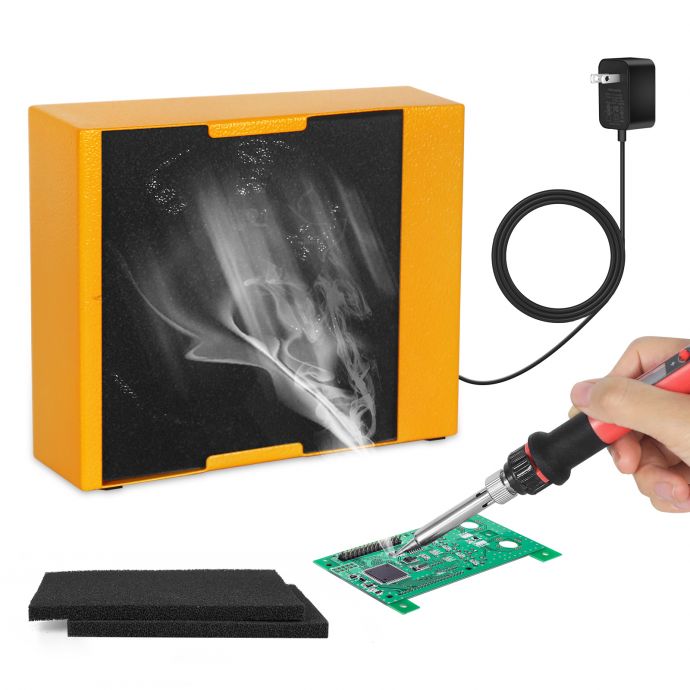
- **Pair with a fume extractor:** Since your hands are free, you can make space for a fume extractor or micro-vacuum near the point of soldering, improving air quality and safety.
- **Customize grips:** Add heat-resistant silicone tubing to the clips for even better grip and component protection.
## The Future of Hands-Free Electronics Work
As electronics become ever more miniaturized and complex, the need for supportive, adaptable tools will only grow. The triple threat helping hand, with its unbeatable combination of magnetic stability, illuminated magnification, and total articulation, represents the gold standard for modern workbenches. Whether you’re a seasoned engineer, a repair technician, or a weekend enthusiast, investing in a high-quality helping hand can mean the difference between frustration and productivity, mistakes and masterpieces.
Embrace the triple threat, and discover the ease, comfort, and precision of having the ultimate third hand at your side.