Soldering is a cornerstone skill in electronics, repair work, and creative DIY projects. Whether you’re assembling a circuit board, repairing audio equipment, or crafting something new, wielding a soldering iron opens up a world of possibilities. However, it also exposes you to something less inspiring: solder fumes. The smoke from solder—especially when using flux—contains particles and chemicals that may harm your health over time if inhaled. The good news is you can easily build a compact, effective smoke absorber for less than the cost of a commercial unit. Powered via 12 volts, this handy DIY device protects your lungs, keeps your workspace fresher, and takes only a few hours to assemble.
**Why Worry About Solder Fumes?**

While soldering, the heat breaks down flux and solder, releasing fumes packed with rosin, organic acids, and sometimes heavy metals. These fumes may cause:
- Irritation to eyes, nose, throat, and lungs
- Headaches or dizziness in poorly ventilated spaces
- Increased risks for asthma or respiratory issues with prolonged exposure
Protecting yourself isn’t just about comfort; it’s about your health. A simple smoke absorber can dramatically reduce airborne contaminants, making your workspace safer and giving you peace of mind.
**What Is a Smoke Absorber—and How Does It Work?**
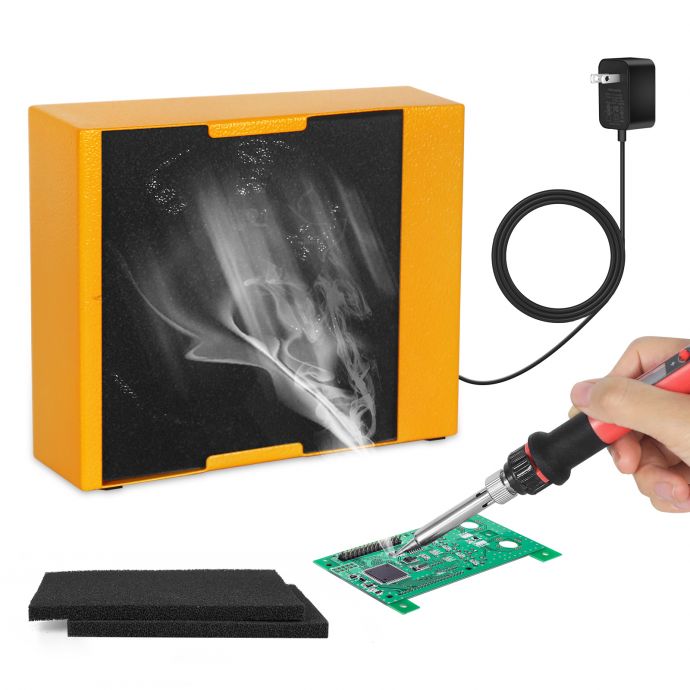
A smoke absorber is essentially a specialized fan with a filter positioned near your soldering area. The fan pulls in airborne particles, while the filter—normally activated carbon—traps and neutralizes harmful substances. Commercial units are reliable, but often expensive and untailored. Building your own lets you customize for size, budget, and workspace requirements, all while learning about airflow and filtration.
**Design Goals for Your DIY Smoke Absorber**
- Portable, compact design
- Powered by a standard 12V supply (commonly available from adapters or battery packs)
- Effective filtration against solder fumes
- Quiet operation so you can focus
- Simple construction using easily sourced parts
**Parts and Tools You’ll Need**
Gathering materials is half the fun. Here’s a suggested parts list, suitable for most hobbyists:
**Parts:**
- **12V DC fan:** A computer case fan (120mm or similar) provides efficient airflow. Look for ball-bearing types for quieter, longer-lasting operation.
- **Activated carbon filter:** These are available as replacement filters for commercial smoke absorbers, air purifiers, or cut from aquarium filter sheets.
- **Enclosure:** A plastic or metal project box, or even a 3D-printed housing. Aim for enough space for the fan and filter, with openings for air intake and exhaust.
- **Switch:** Optional, for convenient on/off control.
- **Power supply:** A 12V DC adapter or battery pack.
- **Wiring/Connectors:** Appropriately rated for 12V, ideally with quick-connect terminals.
- **Rubber feet or standoffs:** To prevent vibration transfer and protect your workbench.
**Tools:**
- Screwdriver and/or drill
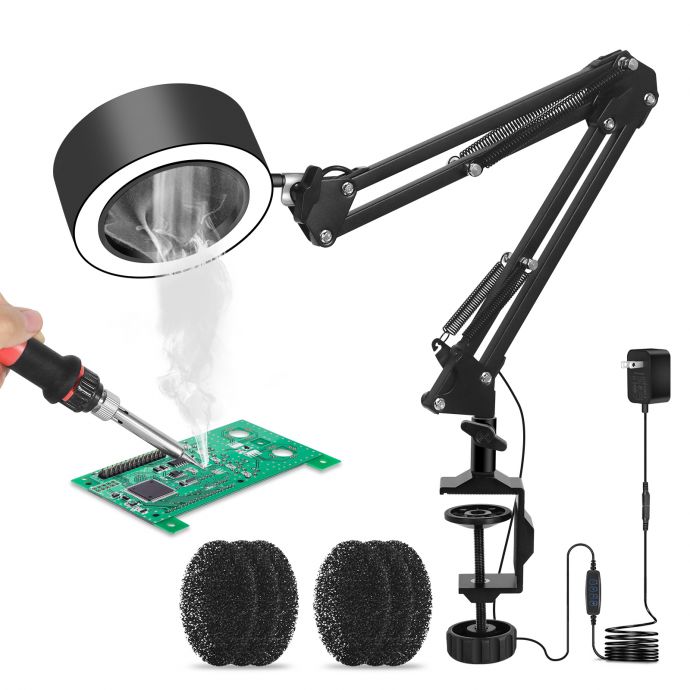
- Soldering iron (ironically, you’ll use it to build the absorber!)
- Wire strippers
- Hot glue gun or fasteners for assembly
- Multimeter (for checking connections)
**Step-by-Step Build Guide**
**1. Prepare the Enclosure**
Choose a box or housing that suits the fan size. Mark and cut an opening for the fan; make sure it’s snug and correctly positioned so airflow is unobstructed. Another opening (or a removable cover) is needed for the filter. Drill holes for mounting screws, the switch, and cable exits.
**2. Mount the Fan**
Secure the fan inside the enclosure, facing outward so it pulls air through the filter and ejects it away from your workspace. Attach with screws or hot glue, ensuring a tight, vibration-free fit.
**3. Fit the Filter**
Position the activated carbon filter in front of the fan’s intake. Create a simple filter holder—a frame or clip system—to make filter changes easy. For best results, use a double layer of carbon sheet to maximize smoke absorption.
**4. Wiring and Power**
Wire the fan to your 12V supply, incorporating the switch as desired. If using a wall adapter, add a jack for easy plug-in use. Secure connections with solder or crimp terminals; double-check polarity before powering up.
**5. Finishing Touches**
Install rubber feet or standoffs on the base to absorb vibration and protect surfaces. Add a handle or carrying strap if portability is important. Paint or label the enclosure for a professional look.
**6. Test and Troubleshoot**
Plug in and activate your smoke absorber. Hold it near your soldering iron as you work—watch as smoke is swiftly pulled into the fan, passing through the filter and cleared. If airflow feels weak, check for obstructions or choose a fan with higher CFM (cubic feet per minute) rating. Replace the filter regularly for best performance.
**Tips for Effective Use**
- Place the smoke absorber as close to your solder joint as possible—typically 10-15cm away.
- Angle the device so fumes flow directly into the intake.
- Run the absorber for a few minutes after finishing, to clear lingering particles.
- Clean or replace the filter every few weeks, depending on usage.
**Customization Ideas**
Once your core device works, you can enhance it with smart features:
- Add an LED indicator for power status.
- Install USB charging for battery-powered models.
- Integrate a speed controller to adjust fan intensity.
- Swap the filter for HEPA layers if allergies are a concern.
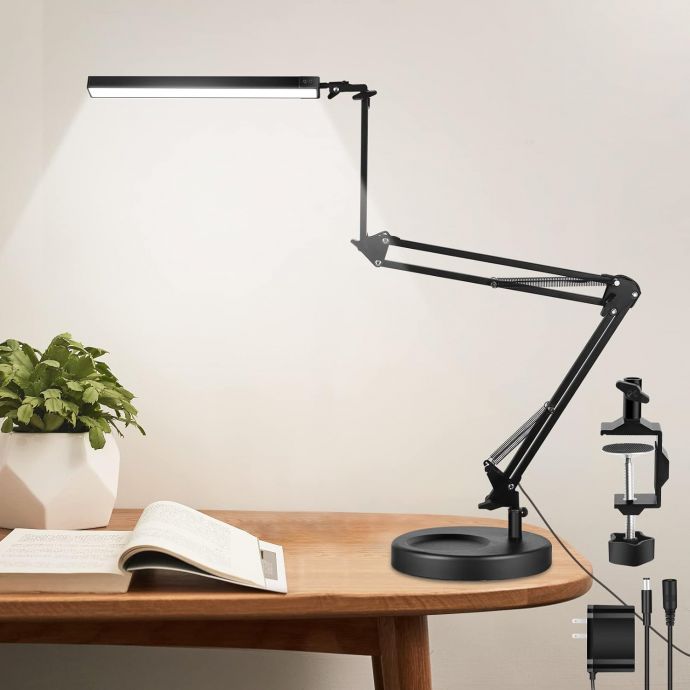
- Use a flexible arm or stand to position the absorber exactly where needed.
**Real-World Performance: What to Expect**
A well-built 12V DIY smoke absorber can vastly improve your soldering environment. While it may not eliminate fumes as thoroughly as industrial extractors, it removes the majority of visible smoke and significantly reduces airborne particles. Users report less eye and throat irritation, easier breathing, and improved concentration for longer soldering sessions. For hobbyists and small-scale professional use, this simple device offers huge advantages relative to its cost and effort.
**Maintaining Your Smoke Absorber**
Like any filtration device, regular upkeep keeps performance high:
- Check the filter frequently—replace when discolored or airflow decreases.
- Clean the fan blades and interior with compressed air (power off and unplug first).
- Inspect wiring, switch, and connectors for wear.
- Lubricate fan bearings (if permitted) for quieter operation.
Making filter replacements and cleaning a routine part of your soldering workflow ensures ongoing protection for your lungs and workspace.
**Building Community: Sharing and Learning**
DIY smoke absorbers are increasingly popular among makers, students, and engineers. Many post their builds online, sharing photos, plans, and modifications. By making your own, you’re contributing to a culture of self-reliance and safe workshops. Consider sharing your design and tips on forums like Reddit’s r/DIY, electronics blogs, or social media. You might even inspire others to take their health and safety seriously.
**The Science Behind Filtration**
Activated carbon is the secret behind most absorber filters. Carbon’s porous structure traps and absorbs organic compounds and volatile particles. It’s used widely in air purification, masks, and industrial filtration. For solder smoke, it neutralizes rosin fume and other irritants, making it ideal for desktop use.
If you want deeper filtration, try HEPA filters, which trap ultra-fine particles but may require a stronger fan. For most soldering setups, activated carbon is sufficient, balancing efficiency and airflow.
**Alternatives and Upgrades**
If your soldering volume increases or you move to larger projects, consider:
- Larger or dual-fan setups for greater suction.
- Inline ducting to vent air outside.
- Commercial extractors for shared workspaces or industrial use.
But for most individual makers and students, a compact 12V DIY absorber is the perfect balance: affordable, easy, and effective.
**Making Soldering Safe and Comfortable**
The act of soldering—the steady hand, the fast repairs, the creative builds—is rewarding. But protecting your lungs from smoke is essential for long-term enjoyment and health. Building and using a 12V DIY smoke absorber is a straightforward project with enormous practical benefits. Every breath you take at your workspace becomes cleaner and safer.
Whether you’re assembling a robot, fixing a guitar pedal, or practicing with a breadboard, your lungs and well-being deserve as much care as your circuits. Take the time to build your own smoke absorber—you’ll breathe easier, focus better, and enjoy the craft of soldering for years to come.
**Conclusion**
A DIY smoke absorber may appear simple, but its impact is profound. By investing a few hours and a modest budget, you create a healthier workspace and a sense of accomplishment. As soldering continues to inspire and empower tinkerers everywhere, safe habits and smart devices help us all breathe easy—today and into the future.
Ready to build? Grab your fan, filter, and soldering iron (just this once for assembly!) and start crafting your own smoke absorber. Your lungs will thank you, and you’ll enjoy the freedom to solder in a fresher, safer workspace every time.