When it comes to miniature craftsmanship, where every millimeter matters and precision is everything, having the right tools at hand can make the difference between a frustrating ordeal and a satisfying creative experience. For model builders, jewelry artists, and electronics enthusiasts, the challenge is always the same: how to secure tiny, delicate, or irregularly shaped components firmly without damage, leaving both hands free to focus on the artistry and accuracy of the task.
Enter the Mini Bench Vise—an indispensable ally for serious hobbyists and professionals alike. Designed with adaptability in mind, this compact powerhouse boasts an adjustable grip range of 0.78 to 1.18 inches (20 to 30 mm), catering perfectly to the small-scale, intricate work that defines your craft. Let’s take a closer look at how this miniature marvel elevates project quality, protects your workpieces, and offers unparalleled versatility for all your detailed endeavors.
## The Need for Absolute Precision
Before delving into the unique features of the Mini Bench Vise, it’s important to understand why securing your project components is so critical. In small-scale work, even the slightest movement or slippage can mean a misaligned seam, a soldered joint out of place, or a scratched gemstone. Traditional clamps or makeshift holding solutions often provide uneven pressure, obscure your working area, or—worse still—damage fragile materials.
Having your pieces securely held in position isn’t just about convenience; it’s about eliminating error and enabling precision. A purpose-built mini bench vise addresses this need for accuracy, offering a stable grip without overwhelming force, making it the unsung hero of precision crafts.
## Compact Size, Colossal Stability
What sets the Mini Bench Vise apart from its larger, industrial counterparts is its size-to-power ratio. Measuring just a few inches in base dimension, this tool takes up minimal workspace real estate—a crucial benefit in already-cluttered hobby corners, workbenches, and portable toolkits. But despite its compact form, the vise is anything but lightweight when it comes to performance. The engineered steel construction provides a reassuring sturdiness; it stays rooted throughout detailed filing, carving, drilling, or soldering, ensuring your workpiece is as steady as if it were set in stone.
Thanks to its precision-milled jaws and rubberized pads (on many models), the vise can grip even the most polished or fragile surfaces without leaving marks or scratches. This balance of strength and gentleness is an essential quality for high-stakes crafting.
## Adjustable Grip: The Secret to Its Versatility
One of the main challenges in miniature crafting is the sheer diversity of shapes, sizes, and profiles a creator might encounter in the course of a single project. Unlike single-purpose clamps or specialized holders, the adjustable nature of the Mini Bench Vise’s grip means it can accommodate a broad array of items.
The 0.78-1.18 inch (20-30 mm) opening is a sweet spot for many types of components—whether you’re holding a strip of circuit board, the shank of a ring, a section of a plastic model kit, or a micro-assembly destined for remote control hobbies. The smooth-turning screw mechanism allows for fine adjustments in pressure and opening width, ensuring a custom fit for every task. This adaptability quickly makes the Mini Bench Vise the go-to tool for everything from jewelry repair to assembling model airplanes.
## Application Highlights
### Intricate Model Building Made Easy
Model construction, whether using plastic kits, wood, or metal, is an exercise in meticulous attention to detail. Fiddly parts need to be glued, painted, filed, or drilled with accuracy. While fingers can be surprisingly dexterous, they’re no match for the unwavering grip of a mini bench vise. Fixing a fuselage section, wheel strut, or tiny cockpit piece in the vise allows for hands-free assembly, sanding, or detailing. What’s more, the stable platform reduces errors caused by shifting parts or accidental slips.
Those who work in scale model railroading, wargaming miniatures, or architectural modeling will especially appreciate how the vise can hold everything from track segments and building facades to miniature figures—often for tasks as delicate as airbrushing or fine brushwork.
### Delicate Jewelry Crafting with Confidence
Jewelry makers have some of the highest precision demands of any craft. Setting a stone, fixing a clasp, soldering a chain, or polishing a bezel ring—these tasks require a stable base without the risk of crushing soft metals or marring a polished setting. The Mini Bench Vise’s soft, non-marring jaws (typically rubber or padded) ensure that even the most precious metals and stones are held carefully, giving jewelers the peace of mind that their creation is protected. Its size also ensures easy handling of rings, earrings, pendants, and even watch parts, making it invaluable both for repairs and original designs.
### Detailed Electronics Work Simplified
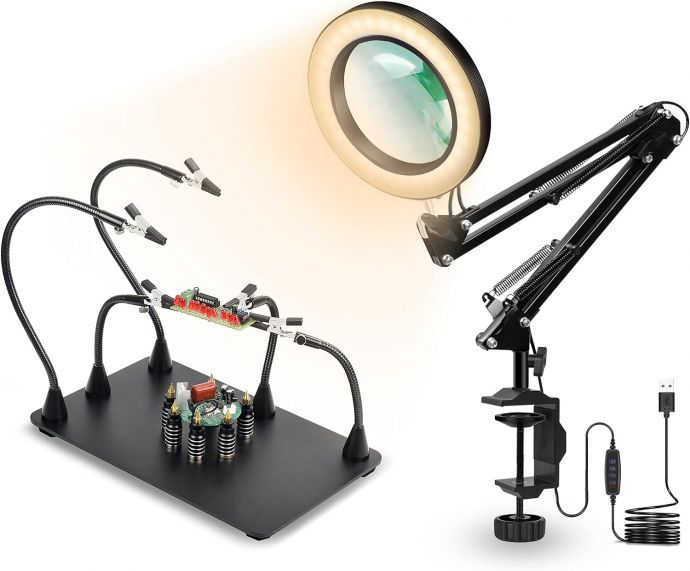
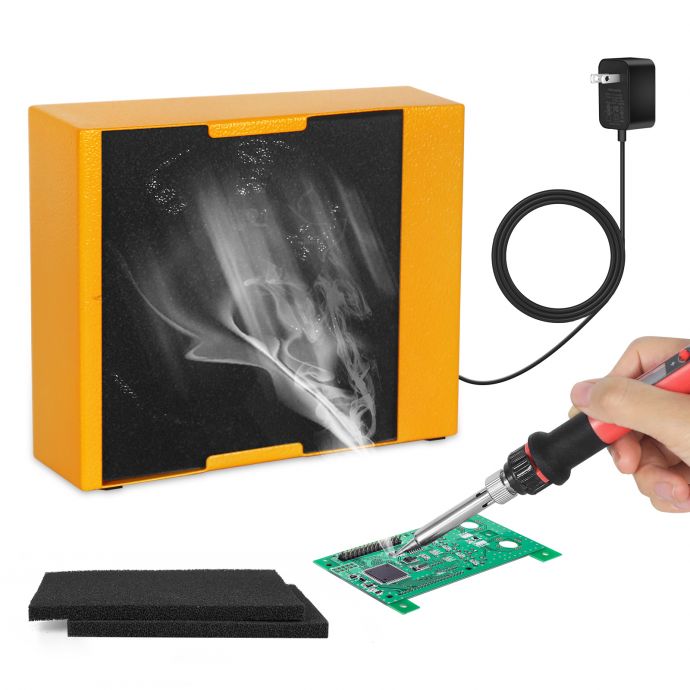
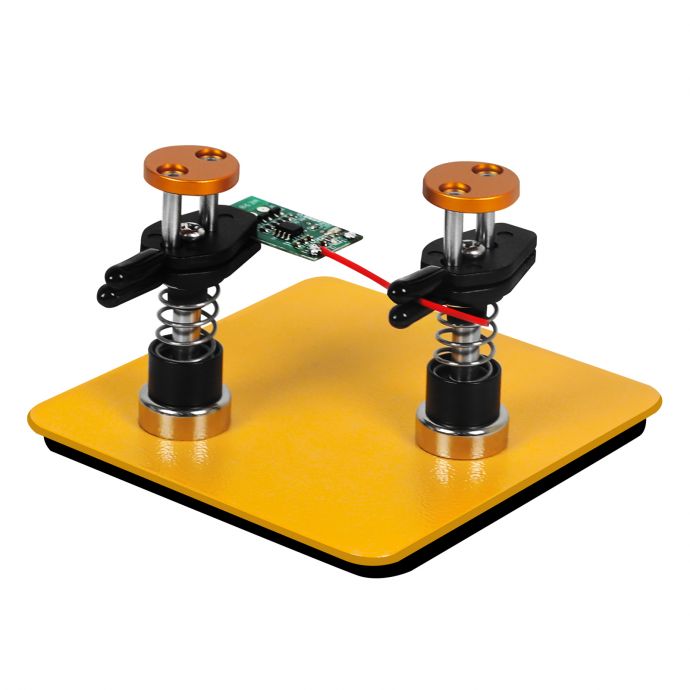
Modern DIY electronics often means working with tiny circuit boards, microcomponents, wires, or connectors. The need for a “third hand” becomes apparent as you attempt to solder, crimp, or attach components—especially under magnification. The Mini Bench Vise steps in as a steady companion, gripping circuit boards (especially those more fragile than consumer-grade PCBs) without bowing or cracking. Adjust the clamp, position your work at a comfortable angle, and suddenly you’ll have both hands free to wield the soldering iron, tweezers, or multimeter with total control.
Many electronics enthusiasts also suffer from frustration due to shifting parts or poorly supported connectors during prototyping. With this bench vise, breadboards and microcontrollers can be locked perfectly in place for detailed tweaking and testing. The result? Fewer mistakes, cleaner solder joints, and a much smoother workflow.
## What to Look for in a Mini Bench Vise
As with any tool, not all vises are created equal. When choosing the ideal model for your needs, keep the following features in mind:
**Material Quality:** Hardened steel or alloy bodies provide the rigidity to hold up under repeated tightening, minimizing flex and wear over time. Look for surfaces treated for corrosion resistance, especially if you’ll be working with fluxes or chemicals.
**Jaw Design:** Flat jaws are great for general work, while profiled or V-grooved jaws can accommodate rods or wires more securely. Rubber or silicone pads are a must for jewelry or finished surfaces to prevent scratching.
**Mounting Style:** Some mini vises can be screwed directly to the bench, while others use a clamp-on base, allowing temporary positioning. Magnetic or suction bases are also available for quick repositioning on metal or glass-topped benches.
**Rotation and Tilt:** Advanced models allow you to rotate or angle the vise head, providing even greater flexibility for awkward job orientations.
**Ease of Adjustment:** A smooth, reliable screw mechanism makes it easier to dial in the perfect fit, while quick-release options speed up workflow when changing out workpieces.
Selecting a vise tailored to your most frequent tasks will transform your creative process, saving time and reducing frustration.
## Practical Tips for Getting the Most Out of Your Mini Bench Vise
Harnessing the full power of this tool involves a few best practices:
### 1. Workpiece Preparation
Always clean the surfaces of parts that will be gripped by the vise. Dust, grease, or flux residue can reduce holding power and soften the grip, leading to slippage.
### 2. Jaw Protection
For items with delicate or highly finished surfaces, use additional jaw pads or scraps of leather, felt, or vinyl between the workpiece and the vise jaws. This provides extra protection and increases friction.
### 3. Balanced Pressure
Only tighten the vise as much as needed to hold the item; over-tightening can deform soft materials, create stress fractures in plastics, or mar finishes. Practice with scrap materials to learn just how much force is necessary.
### 4. Optimal Positioning
Take advantage of any rotation or tilt features to set your work at the ideal height and angle for the task. This reduces hand fatigue and improves accuracy.
### 5. Cleaning and Maintenance
Keep your vise clean and free of debris, especially the threads and pivot points. A drop of light oil now and then will keep the mechanism smooth and prevent rust.
## Real-World Testimonials
To better appreciate the transformative impact of a mini bench vise, let’s hear from a few dedicated creators:
**Adrian, Model Builder:**
“I used to rely on makeshift solutions when assembling my 1:72 aircraft—fingers, rubber bands, a heavy book here or there—but mistakes and slips were inevitable. Since investing in a mini bench vise, I’m able to file, sand, and glue with both hands free. My parts fit cleaner and my finish work is worlds better.”
**Samantha, Jewelry Designer:**
“Gold is soft, and I used to worry about crushing rings while working on them. The soft jaws on my mini vise are perfect for holding everything from stone settings to watch backs without a hint of a scratch. It’s become an extension of my hands.”
**Derek, Electronics Tinkerer:**
“There’s nothing worse than a PCB popping out of a makeshift clip halfway through a tricky soldering session. This mini bench vise doesn’t budge, and the adjustable grip fits basically every board I use. My work is faster and far less stressful.”
## The Ultimate Companion for Lifelong Creators
The value of any tool lies not just in its features, but in its transformative effect on the craftsperson’s work. The Mini Bench Vise, with its precise adjustable grip and steadfast stability, is more than a simple clamp—it’s an enabler of creativity, fine craftsmanship, and confidence in the miniature realm.
Whether you’re building scale masterpieces, fashioning heirloom jewelry, or pioneering the next big electronics project, this tiny titan will be your most trusted bench companion. Experience the difference that true stability, precision, and adjustability makes—and keep your hands, and your focus, exactly where they should be: on your craft