The world of precision craftsmanship and electronics repair is teeming with intricate challenges. From the minuscule screws in modern smartphones to the delicate links in a gold necklace, skilled hands and keen eyes are essential. Yet, as technology advances and the demands on fine craftsmanship intensify, a new class of tools is required—tools that can adapt, enhance safety, and streamline the workflow. Enter the "Triple Threat": an innovative magnetic marvel rapidly revolutionizing the twin realms of electronics repair and jewelry crafting.
## The Challenge: Precision, Safety, and Efficiency
At first glance, electronics repair and jewelry crafting may seem worlds apart. But dig deeper, and the parallels become clear. Both disciplines demand pinpoint accuracy, the safe manipulation of tiny components, and an unwavering focus on detail. A single slip can cause irreparable damage—short-circuiting a logic board, misaligning a delicate gemstone, or losing an almost-invisible screw.
Traditional hand tools—tweezers, pliers, screwdrivers—have served these industries well for generations. Yet, as devices shrink and jewelry designs grow more intricate, artisans and technicians are approaching the limits of what manual dexterity and conventional tools can handle. Components slide, parts fall, and static electricity becomes a hidden adversary. In response, the industry has begun to embrace a new class of tools: magnetic-assisted instruments, culminating in the creation of the Triple Threat.
## What is the Triple Threat?
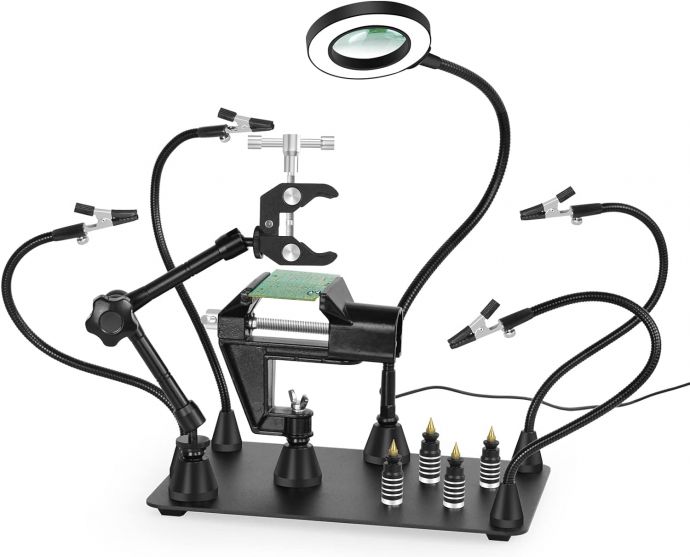
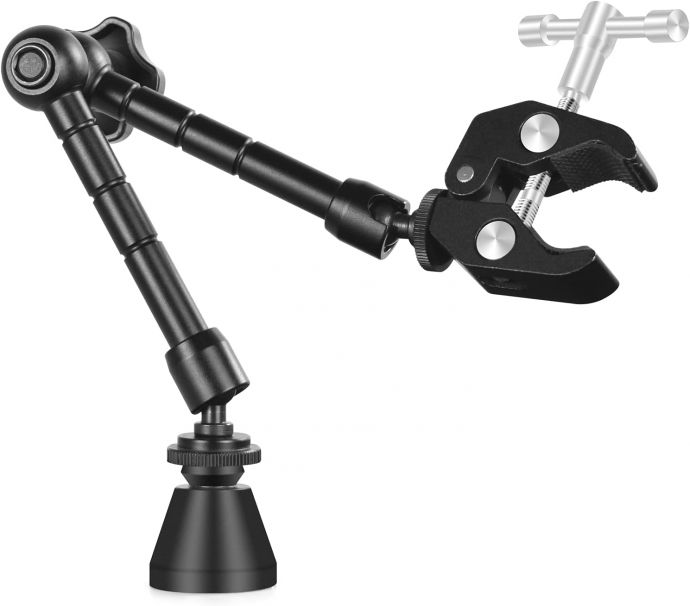
The Triple Threat is not a single tool, but a multifunctional, magnetically enhanced ecosystem tailored to the unique needs of micro-manipulation. Its genius lies in integrating three key features—magnetic pickup, adjustable grip force, and anti-static protection—into a unified, ergonomic platform.
- **Magnetic Pickup:** Embedded rare-earth magnets provide the ability to effortlessly attract and lift metallic components, like screws, pins, or microscopic watch parts.
- **Adjustable Grip Force:** An innovative clutch mechanism ensures delicate non-metallic components—pearls, circuit flex cables, or tiny beads—can be held without crushing or scratching.
- **Anti-Static Shielding:** Grounded materials and intelligent circuit design drain static electricity, guarding precious semiconductors and reactive metals from invisible shocks.
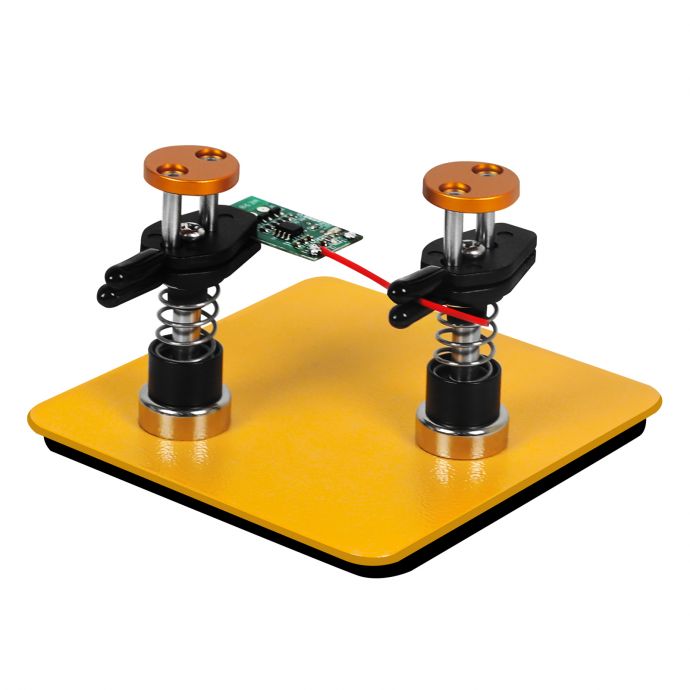
No longer a matter of balancing multiple tools and antistatic devices, the Triple Threat brings all these capabilities together, dramatically simplifying and accelerating workflow.
## Impact on Electronics Repair
### 1. Enhanced Component Retrieval
Every electronics technician has felt the frustration of dropped screws or wayward connectors. Smartphones, tablets, and wearables use screws smaller than a grain of rice—losing one can mean minutes scouring a workbench, or worse, abandoning a repair. The Triple Threat’s magnetic tip instantly attracts and holds these components, keeping them safe and within reach. Unlike traditional magnetic screwdrivers, its variable magnetic strength enables picking up only what’s intended, reducing accidental disruption of surrounding components.
### 2. Safe Navigation Around Sensitive Areas
Microchips and logic boards are sensitive not only to force but to static electricity. A simple spark can render a device inoperable. The Triple Threat’s anti-static shielding ensures that neither fingers nor tools inadvertently discharge a zap. Its grip system can be adjusted to securely hold fragile ribbon cables or connectors—even those made from plastic or composites that magnets won't attract—without deforming or damaging them.
### 3. Streamlined Disassembly and Assembly
Deconstructing a modern smartphone or laptop is a choreography of patience and precision. The seamless transition from magnetic pickup to gentle mechanical grip allows technicians to quickly switch between handling steel screws and plastic parts, drastically reducing tool changes and minimizing errors.
### 4. Improved Efficiency and Reduced Fatigue
With fewer dropped parts and less need to swap tools, the repair process is faster and smoother. Reduced hand fatigue and mental stress are not just creature comforts—they translate to fewer mistakes and higher-quality repairs, especially as technicians repeat delicate motions throughout a long shift.
## Impact on Jewelry Crafting
### 1. Handling Tiny Metallic Elements
Jewelry makers routinely work with findings—clasps, jump rings, prongs, and pins—that are no bigger than a flea. The Triple Threat’s precision magnetics allow artisans to lift, arrange, and place these elements without fumbling, even if their hands are slick with polishing compounds.
### 2. Non-Metallic Components: Customizable Touch
Gems, beads, and pearls require a delicate hand. The adjustable grip feature provides a feather-light, controlled touch, reducing the risk of scratches or chips. A single tool can switch instantly from setting a steel spring to nestling a mother-of-pearl cabochon, saving time and preserving the integrity of the piece.
### 3. Setting and Polishing
Magnetic assistance simplifies the process of positioning prongs or links prior to soldering. During polishing, the tool’s anti-static shielding reduces the risk of dust and debris clinging to sensitive surfaces—an advantage for keeping stones and metals pristine.
### 4. Reducing Mistakes and Rework
Every craftsman dreads accidental drops. Searching for a lost stone or finding a minuscule ring has rolled off the bench can halt progress for hours. The Triple Threat turns near-disasters into non-events, elevating the confidence and speed of the jeweler.
## Cross-Industry Innovation: Lessons from Medical and Scientific Labs
The Triple Threat’s adaptability owes much to trends in laboratory science and precision medicine. Magnetically assisted pipettes and tweezers are staples in biology and microengineering—fields where contamination, static, or slips can mean the loss of an entire experiment. Drawing on these advances, the engineers behind the Triple Threat studied not only the needs of technology and jewelry, but also the protocols of lab safety and cleanliness, translating these best practices into a tool that’s cleaner, safer, and more precise.
## Ergonomics and the Human Factor
A game-changing tool isn’t just about function; it’s about feel. Repetitive stress injury is a real hazard in both repair shops and jewelry studios. The Triple Threat’s contoured grip and customizable engagement force ensure that hands remain in a neutral, comfortable position throughout even the most taxing tasks. Technicians and artisans have reported less soreness, decreased cramping, and improved concentration—outcomes that are as valuable as improved speed or reduced error rates.
## Sustainability and Reduced Waste
Modern electronics repair is increasingly seen as part of a broader push towards sustainability. Tools like the Triple Threat help technicians preserve devices rather than consign them to landfills. By reducing mistakes, breakage, and loss of parts, the tool minimizes wasted materials in both tech repair and jewelry.
Jewelry makers, too, are embracing ethical sourcing and zero-waste studios. Salvaging tiny findings and working with precious materials requires total accountability. The Triple Threat’s loss-preventing and damage-reducing features fit perfectly into this eco-conscious mindset.
## The Triple Threat in the Field: Real-World Testimonials
### Electronics Repair Specialist: Sarah L., Brooklyn, NY
“I used to spend ten minutes or more searching for lost screws, and I always worried about static damage when handling logic boards. The Triple Threat feels like having a second set of skilled fingers—everything stays where I need it, and I can concentrate on the repair instead of the balance game.”
### Jewelry Designer: Enrique R., Tucson, AZ
“Switching from magnetic pickup to a gentle grip lets me move from working with tiny gold balls to setting opals without changing tools. I make fewer mistakes, my pieces are cleaner, and my hands don’t ache at the end of a long day.”
## The Future: Smart Tool Integration
While today’s Triple Threat is a mechanical and electrical marvel, the future holds even more promise. Imagine a tool with embedded sensors that detect the composition of the part you’re holding, automatically adjusting magnetic and grip force. Or built-in wireless connectivity, tracking tool usage to optimize workflow or prevent loss. Integration with augmented reality repair guides could provide step-by-step visual instructions right on the work surface. The Triple Threat stands as a bridge to this smarter, more efficient future.
## Conclusion: The Age of Precision Tools
In a world where technology and craftsmanship continually strive for ever-greater perfection, the Triple Threat is more than just another tool—it’s a paradigm shift. By seamlessly integrating magnetic pickup, variable grip, and anti-static protection, it addresses the core challenges faced daily by both electronics repair technicians and jewelry artisans.
The result? Fewer mistakes, safer components, happier hands, and more beautiful, functional creations. Whether you're saving a beloved smartphone from the recycle bin, or crafting the next show-stopping piece of wearable art, the Triple Threat empowers you to work smarter, faster, and with new-found confidence.
Truly, we are entering the age of precision tools—and the Triple Threat stands at the forefront of this revolution.