When working at the cutting edge of electronics, robotics, or intricate model-making, the smallest soldered joint can separate a finished masterpiece from a frustrating tangle of components. As circuits become denser and project demands grow in complexity, the tools on your bench have to evolve to support both your creativity and your need for flawless precision. Enter the next generation of workspace innovation: the magnetic third arm, engineered with extra large stability and flexible reach—a revolution perfectly timed for those who dare to push the limits of their technical prowess.
### Where Two Hands Aren’t Enough: The Soldering Dilemma
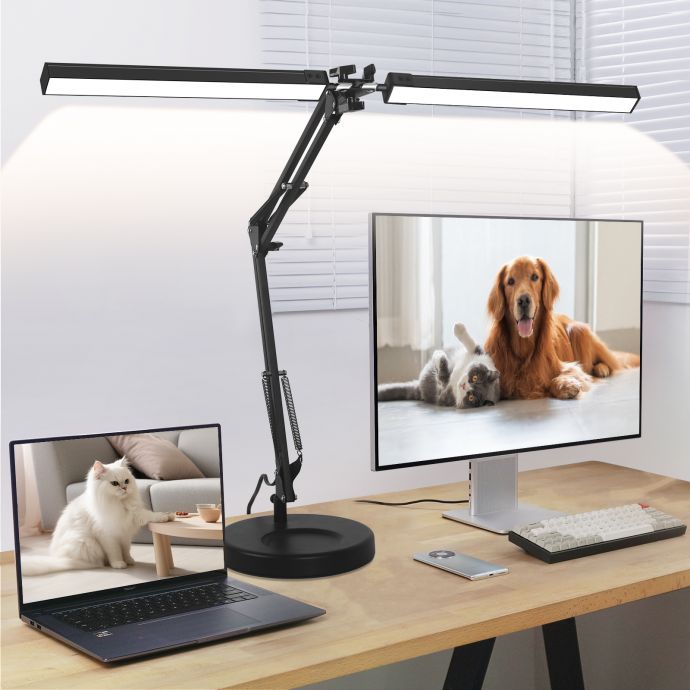
The classic conundrum facing tinkerers and engineers is a stubbornly simple one—humans only have two hands. Soldering, by its very nature, is a bimanual craft: one hand for the soldering iron, the other for the solder wire, and somewhere in this ballet, you must mantain the alignment of a delicate wire or a finicky PCB. Traditional third hands with alligator clips and stiff metal arms offered the first solution, but often fell short—toppling over, unable to hold odd shapes, or wobbling at the critical moment.
As projects scale up in complexity and demand, those limitations grow glaringly apparent. Heavy or unusually shaped items can send lesser third arms skittering across the workbench. Fixed mounts force you into awkward, cramped angles that test patience and risk damaging sensitive components. True innovation in this space means one thing: thinking beyond the limitations of human anatomy and industrial design conventions.
### The Magnetic Third Arm: Redefining Workspace Assistance
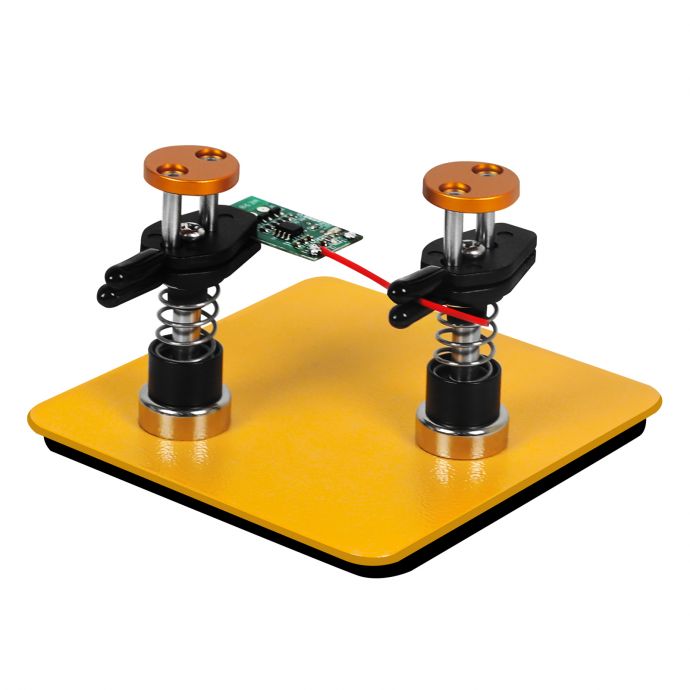
The magnetic third arm is built upon two pillars crucial to professionals and hobbyists alike: stability and flexibility. While earlier versions of helping hands owed their precarious balance to lightweight metal bases and rigid joints, the magnetic third arm starts with a foundation as solid as your ambition.
#### Extra Large Stability: The Anchor Your Work Demands
At the heart of this third arm revolution is the base: an array of neodymium magnets precisely encased within a heavy, wide platform. Forget the featherlight stands that used to tip over with the faintest nudge—the magnetic third arm clings to any ferromagnetic surface with the grip of a vise. It’s more than just heavy; it quite literally becomes a part of your workspace, grounding your most delicate assemblies for soldering, gluing, or inspection.
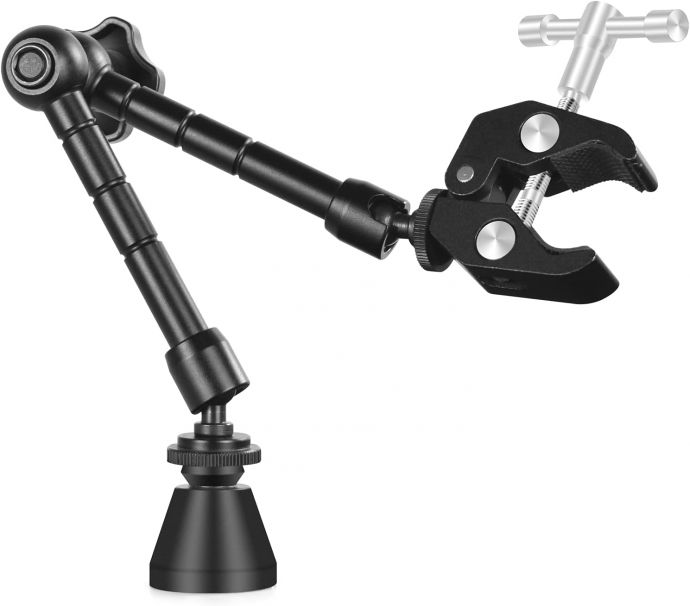
This surprisingly simple innovation is transformative. Whether you work on a steel-topped bench or use a portable steel plate, your third arm will hold steady, even while supporting circuit boards, wires, or small mechanical subassemblies. The days of makeshift sandbags, tape, or cautious balancing are finally over.
#### Unparalleled Flexibility: Reach Every Angle, Master Every Joint
The magic continues beyond the base, through segmented, flexible metal arms that can be positioned in virtually any direction. Each joint is engineered to move smoothly and to stay right where you put it—no more drooping or creep during a long session. Magnetic third arms are available in a range of lengths and segment counts, some offering up to three pivot points for maximum adjustability.
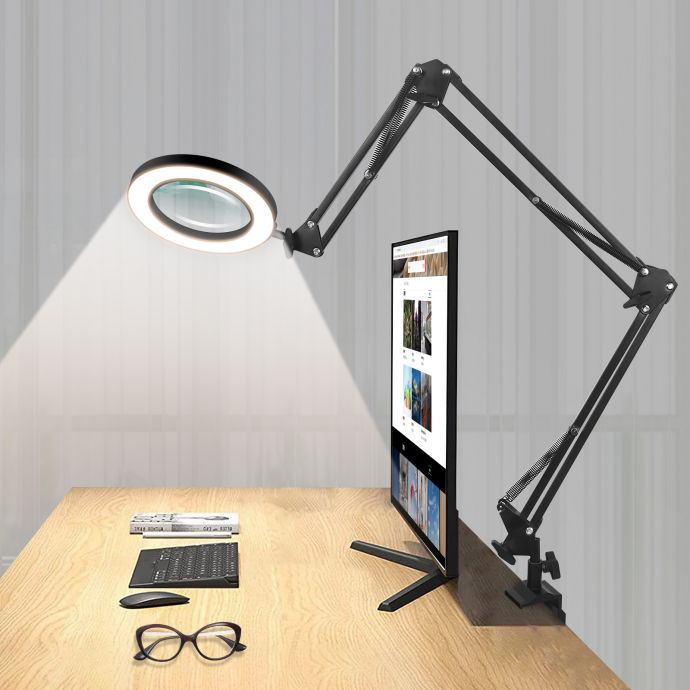
But flexibility isn’t just a trick of engineering. It’s a daily, practical necessity in the real world. Whether you’re tackling a fine-pitch SMD rework, awkwardly shaped assembly, or stacked multi-layer boards, the magnetic third arm molds to your needs. Need to hold a component at a specific angle for heat gun rework? Fix the magnetic base, bend the arm into place, and lock the grip: your job just became a two-handed task again. Want to illuminate your work? Many models have accessory mounting threads for LED lamps or magnifiers right on the arms.
### Features That Change the Game
A workspace tool is more than the sum of its parts; greatness lies in execution. The magnetic third arm stands out thanks to clever enhancements that target real workflow bottlenecks:
#### Modular Attachments
Gone are the days when a single pair of alligator clips defined your workholding possibilities. Modern magnetic arms feature modular ends—magnetic holders, precision vice jaws, ESD-safe clamps, suction cups for optics work, and even custom 3D-printed adapters. This adaptability means one workspace investment serves a dozen specific jobs, from holding SMD stencils to steadying microscope slides.
#### Heavy-Duty Construction
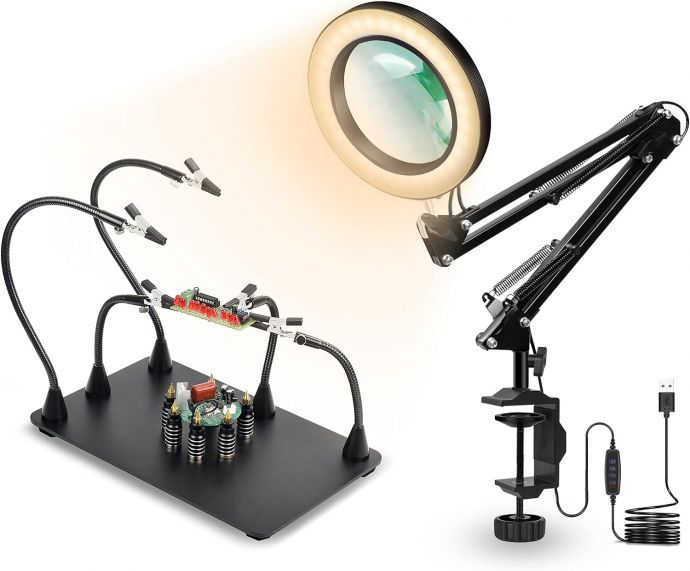
Premium models embrace industrial-grade stainless steel or aircraft aluminum for the arms, ensuring both rigidity and smooth movement. Internal springs or adjustable tensioners in the joints allow for hands-free operation with devices or PCBs weighing several hundred grams, a game-changer for robotics assemblers and those working with power electronics.
#### Multi-Arm Platforms
For multi-stage operations or truly complex assemblies, expanded bases and multi-arm arrays turn your bench into a third, fourth, and fifth hand. Imagine soldering a three-node connection while simultaneously positioning heat sinks and cables, all held with engineer-like patience by your workspace assistant.
#### Surface Versatility
While built for metal benches, many brands offer optional stick-on plates for wooden or composite workbenches, broadening compatibility and freeing the precision craftsman from the demands of a steel workspace.
### Real-World Impact: Who Stands to Gain?
It’s tempting to see hardware innovation as a luxury—until you experience the productivity gains firsthand.
- **Electronics Engineers:** Multi-layer reflow, microcontroller debugging, and power electronics prototyping become less hair-raising. Board warping and accidental movement during high-precision joint soldering is effectively eliminated.
- **Hobbyists and Makers:** From Arduino experimentation to ambitious IoT installations, the learning curve on fine soldering flattens. Fewer third hands mean lower entry barriers.
- **Robotics Researchers:** Motor assemblies and sensor arrays sometimes require simultaneous alignment and delicate soldering on odd-shaped frames; magnetic arms anchor components perfectly.
- **Watchmakers & Jewelers:** The painstaking art of micro-assembly depends on absolute steadiness. Custom clamp tips accommodate rings and gears, while magnetic arms double as tool holders.
- **Optics & Labs:** Tweaking labs-on-a-chip, lasers, or photonic assemblies requires undisturbed precision, which only true stability can deliver.
### Safety and Ergonomics: Reducing Burn, Strain, and Error
Of course, workspace aids aren’t just about speed—they’re about protecting your well-being. The magnetic third arm sharply cuts the risk of hand and wrist strain, since you’re not forced into awkward, fatiguing positions to keep a part steady. This is particularly vital for professionals pulling long shifts or those prone to repetitive stress injuries. And by securing your work more effectively, you reduce the risk of accidental slips, which all too often lead to painful burns or ruined components.
### A Paradigm Shift in the Modern Workshop
More than just a clever gadget, the magnetic third arm signals a deeper change in how we approach the challenge of “beyond human reach.” Rather than asking ourselves how much more dexterous a tool can be made, we’re now seeing how workspace tools can collaborate with human hands—amplifying our precision, sparking new avenues of creativity, and enabling elaborate projects previously limited by basic ergonomics.
Investing in the right tool is an investment not just in productivity, but in the quality, safety, and scope of your work. With the right setup, your hands are finally free to focus on what they do best—problem-solving, fine tuning, and invention.
### Choosing the Right Magnetic Third Arm: A Buyer’s Guide
Not all magnetic third arms are created equal. Choosing the right one requires you to consider the platforms, features, and accessories your work demands.
- **Base Strength:** Ensure the magnet can hold at least double the weight you expect to support. Check for secure encapsulation to avoid magnetic debris and premature wearing.
- **Modularity:** Look for interchangeable heads and extension arms, allowing you to reconfigure as your work changes.
- **Material Quality:** Stainless steel or precision-cast aluminum bodies and joints are preferable for both longevity and smooth movement.
- **Accessory Support:** Opt for platforms that offer a range of holders, LED lighting, and ESD-safe options if you work with sensitive components.
- **Portability:** If you work on the go, find compact magnetic arms with travel-friendly bases or attachable plates for non-metallic work surfaces.
### The Future: Towards Workspace Synergy
The rise of the magnetic third arm is just the beginning. Tomorrow’s workspaces will see even tighter integration—smart arms with torque sensors, automated positioning, or even AI-powered “hand followers” for those seeking near-complete automation of complex micro-tasks. But the current generation already offers a giant leap for anyone wrestling with the constraints of two hands and high-precision work.
### Conclusion: Unleashing Your Full Potential
Complex projects are no longer limited by what you can balance on two hands, or what a shaky clamp can hold. With magnetic third arms providing extra large stability and the kind of flexibility once reserved for the realms of science fiction, your workspace becomes a launching pad for innovation. From the amateur solderer to the professional engineer, the message is clear: the tools are finally catching up to imagination. The only limit now? The bounds of your next groundbreaking project.